
Embark on your backpacking journey with the essential gear needed for a successful and enjoyable trip. From choosing the right equipment to understanding its importance, this guide has you covered.
Learn about the latest trends in backpacking gear technology and discover tips for selecting lightweight and durable gear that will enhance your outdoor experience.
Backpacking Gear Essentials
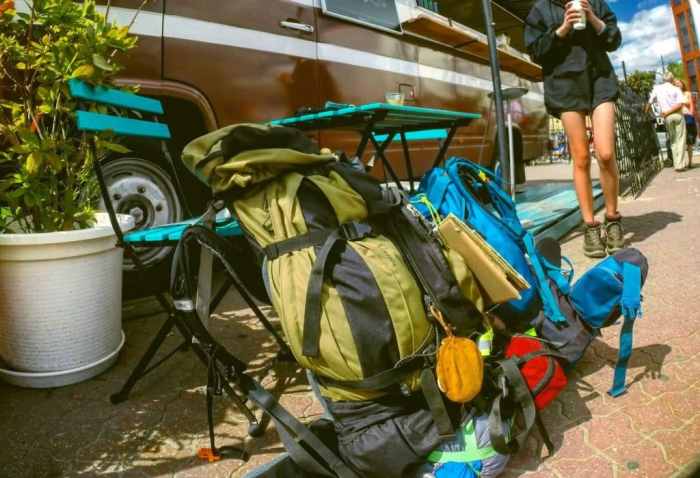
When preparing for a backpacking trip, having the right gear can make all the difference in terms of comfort, safety, and overall experience. Here are some must-have items that every backpacker should consider:
Tent
One of the most essential pieces of gear for a backpacking trip is a reliable and lightweight tent. A good tent provides shelter from the elements, privacy, and a comfortable place to rest after a long day of hiking.
Sleeping Bag
A high-quality sleeping bag is crucial for a good night’s sleep in the outdoors. Look for a sleeping bag that is lightweight, compact, and suitable for the expected temperature range of your trip.
Backpack
Choosing the right backpack is key to a successful backpacking trip. Look for a backpack that fits well, distributes weight evenly, and has enough capacity to carry all your gear comfortably.
Water Filtration System
Access to clean drinking water is essential when backpacking. A water filtration system allows you to safely drink from natural water sources along the trail, reducing the need to carry large amounts of water with you.
Cooking Gear
A lightweight stove, cookware, and utensils are important for preparing hot meals and beverages on the trail. Look for compact and durable cooking gear that will withstand the rigors of backpacking.
First Aid Kit
A well-stocked first aid kit is a crucial safety item for any backpacking trip. Be sure to include essentials like bandages, pain relievers, antiseptic wipes, and any personal medications you may need.
Navigation Tools
Navigation tools such as a map, compass, and GPS device are essential for staying on course and finding your way in the wilderness. Familiarize yourself with how to use these tools before hitting the trail.
Clothing Layers
Proper clothing is key to staying comfortable and safe while backpacking. Pack lightweight, moisture-wicking layers that can be easily added or removed to regulate your body temperature in changing weather conditions.
Headlamp
A reliable headlamp is essential for navigating in the dark, setting up camp after sunset, and finding your way to the bathroom during the night. Look for a lightweight and durable headlamp with long battery life.
Cultural Tourism
Cultural tourism is a form of travel that focuses on experiencing the culture, heritage, arts, and lifestyle of a destination. It involves visiting historical sites, museums, attending cultural events, trying local cuisine, and interacting with the local community.
Significance of Cultural Tourism
Cultural tourism plays a vital role in promoting cross-cultural understanding and appreciation. It helps in breaking down stereotypes, fostering respect for diversity, and creating connections between people from different backgrounds.
Popular Cultural Tourism Destinations
- Paris, France – known for its art, fashion, and cuisine
- Jaipur, India – famous for its vibrant culture and historical monuments
- Cusco, Peru – rich in Incan heritage and traditions
- Kyoto, Japan – steeped in ancient temples, tea ceremonies, and traditional arts
Impact on Local Communities and Economies
Cultural tourism can have a positive impact on local communities by creating job opportunities, preserving heritage sites, and supporting local artisans and businesses. However, it can also lead to issues like over-tourism, cultural commodification, and loss of authenticity.
Tips for Respectful Cultural Tourism
- Research the cultural norms and practices of the destination before your visit
- Respect local customs, traditions, and dress codes
- Support local businesses and artisans by purchasing authentic souvenirs
- Engage with the local community in a respectful and open-minded manner
Eco-Tourism
Eco-tourism is a form of tourism that focuses on responsible travel to natural areas, conserving the environment, and improving the well-being of local people. It aims to minimize the negative impact on the environment and promote conservation efforts.
Examples of Eco-Friendly Practices
- Using renewable energy sources like solar power for accommodations
- Implementing waste reduction and recycling programs
- Supporting local communities by hiring local guides and purchasing locally sourced products
- Participating in wildlife conservation projects
Benefits of Eco-Tourism
- Preservation of natural habitats and biodiversity
- Empowerment of local communities through job creation and economic opportunities
- Educational opportunities for travelers to learn about conservation and sustainability
- Promotion of cultural exchange and understanding between visitors and locals
Tips for Minimizing Ecological Footprint
- Choose eco-friendly accommodations that follow sustainable practices
- Avoid single-use plastics and bring reusable water bottles and bags
- Respect wildlife and natural habitats by observing from a distance
- Use public transportation or opt for walking and cycling tours to reduce carbon emissions
Culinary Travel
Exploring a destination’s culture through food is an essential aspect of travel that allows you to truly immerse yourself in the local way of life. Culinary experiences offer a unique insight into the traditions, history, and values of a place, making it a vital component of any travel itinerary.
The Role of Food in Cultural Exploration
Food serves as a universal language that brings people together and reflects the identity of a community. By sampling local dishes and flavors, travelers can gain a deeper understanding of the customs and rituals that define a culture.
Discovering Authentic Local Cuisine
- Seek out small, family-run eateries and street food stalls for authentic flavors.
- Participate in cooking classes or food tours to learn about traditional cooking techniques.
- Ask locals for recommendations on hidden gems and regional specialties.
The Rise of Food Tourism
In recent years, food tourism has gained popularity as more travelers seek out unique gastronomic experiences. This trend has had a significant impact on the travel industry, with destinations promoting their local cuisine as a key attraction to attract visitors.
Historical Travel
Traveling to historical sites and landmarks offers a unique opportunity to step back in time and immerse oneself in the rich tapestry of human history. These destinations hold a special allure for travelers seeking to learn about the past and gain a deeper understanding of the world we live in today.
Educational Value of Historical Travel Experiences
Exploring historical sites provides a hands-on learning experience that goes beyond textbooks and classroom lectures. It allows travelers to witness firsthand the events that shaped civilizations, cultures, and societies. By walking in the footsteps of those who came before us, we can gain a new perspective on our own place in history.
- Visiting museums, archaeological sites, and monuments can offer insights into the art, architecture, and technology of ancient civilizations.
- Interacting with local guides and historians can provide a deeper understanding of the historical significance of a place.
- Participating in reenactments or cultural events can bring history to life in a vivid and engaging way.
Planning a Historical Travel Itinerary
When planning a historical travel itinerary, consider the following tips to make the most of your experience:
- Research the historical significance of each destination to understand its importance and relevance.
- Create a detailed itinerary that includes visits to key historical sites, museums, and landmarks.
- Allow time for exploration and discovery, as some of the best historical insights come from unexpected encounters and experiences.
Preservation Efforts of Historical Sites
Preserving historical sites is crucial to ensuring that future generations can continue to learn from and appreciate the lessons of the past. Efforts to protect and conserve these sites include:
- Restoration projects to repair and maintain ancient structures and artifacts.
- Education and awareness campaigns to promote the importance of historical preservation.
- Collaboration with local communities to ensure that historical sites are respected and valued for their cultural significance.
Luxury Travel
Luxury travel caters to high-end travelers seeking exclusive experiences, impeccable service, and top-notch amenities. It offers a level of comfort, sophistication, and personalized attention that surpasses standard travel expectations. Luxury travel is all about indulgence, relaxation, and creating unforgettable memories in a lavish setting.
Amenities and Services
Luxury travel experiences often include luxurious accommodations in upscale hotels or resorts, private transportation options such as limousines or private jets, gourmet dining experiences featuring world-class chefs, exclusive access to private tours and experiences, personalized concierge services, spa treatments, and other high-end amenities designed to cater to every whim of the traveler.
Global Luxury Travel Experiences
Luxury travel experiences vary across different regions of the world. For example, travelers can indulge in opulent beachfront villas in the Maldives, explore ancient castles in Europe while staying in luxury boutique hotels, embark on luxurious safaris in Africa with private guides and gourmet dining under the stars, or enjoy pampering spa retreats in exotic locations like Bali or Thailand.
Each region offers its own unique blend of luxury experiences tailored to the discerning traveler.
Tips for Planning Luxury Travel on a Budget
- Look for off-peak travel times to take advantage of discounted rates at luxury hotels and resorts.
- Consider booking package deals or all-inclusive luxury vacations to save on overall costs.
- Utilize loyalty programs and credit card rewards to earn points for free upgrades or discounted stays at luxury properties.
- Opt for luxury accommodations in less popular destinations to enjoy a high-end experience at a lower cost.
- Prioritize experiences that matter most to you and allocate your budget accordingly to maximize your luxury travel experience without overspending.
Budget Travel
Traveling on a budget doesn’t mean sacrificing quality or missing out on amazing experiences. In fact, budget travel can open up a world of possibilities and allow you to explore more destinations without breaking the bank.
Benefits of Budget Travel
When you embrace budget travel, you can stretch your travel budget further and make the most out of your adventures. Here are some benefits of budget travel:
- Allows you to travel more frequently
- Encourages you to immerse yourself in local culture
- Helps you discover hidden gems off the beaten path
- Enables you to meet like-minded travelers and locals
Tips for Planning a Budget-Friendly Trip
Planning ahead is key to enjoying a budget-friendly trip without compromising on experiences. Here are some tips to help you plan your next adventure:
- Research and compare prices for flights and accommodations
- Travel during the off-peak season for lower prices
- Consider staying in hostels or budget accommodations
- Opt for local street food and markets for affordable dining options
- Use public transportation or walk instead of taking taxis
Budget Travel Hacks and Money-Saving Strategies
With a bit of creativity and resourcefulness, you can make the most out of your travel budget. Here are some budget travel hacks and money-saving strategies:
- Sign up for travel rewards programs and credit cards with travel perks
- Travel light to avoid excess baggage fees
- Book activities and tours in advance for discounts
- Explore free attractions and activities in your destination
- Shop at local markets for souvenirs instead of tourist shops
Affordable Destinations for Budget Travelers
There are plenty of affordable destinations around the world where you can enjoy incredible experiences without breaking the bank. Here are some recommendations for budget travelers:
- Thailand: Known for its beautiful beaches, vibrant culture, and delicious street food
- Portugal: Offering stunning landscapes, historic cities, and affordable accommodations
- Vietnam: Rich in history, culture, and natural beauty, with budget-friendly options
- Costa Rica: A paradise for eco-tourism, adventure activities, and budget-friendly stays
- Budget travel is all about finding ways to maximize your travel experiences while minimizing costs. With these tips and recommendations, you can embark on unforgettable adventures without breaking the bank.
Solo Travel
Solo travel has become increasingly popular among adventurers seeking to explore the world on their terms. Whether it’s the freedom to set your own itinerary or the opportunity for personal growth, there are many reasons why people are choosing to travel solo.One of the key appeals of solo travel is the sense of independence and self-reliance it fosters. Traveling alone allows individuals to challenge themselves, step out of their comfort zones, and navigate unfamiliar territories with confidence.
It provides a unique opportunity for self-discovery and introspection, as travelers learn to rely on their own resourcefulness and problem-solving skills.
Tips for Staying Safe and Connected
- Always share your itinerary with a trusted friend or family member and check in regularly.
- Stay aware of your surroundings and trust your instincts if something feels off.
- Research the local customs and culture of your destination to avoid unintentional misunderstandings.
- Carry a fully charged phone with emergency contacts saved and consider investing in a portable charger.
Meeting New People and Making Friends
- Stay in hostels or join group tours to connect with fellow travelers.
- Attend social events or join local meet-up groups to meet like-minded individuals.
- Use social media platforms or travel apps to find potential travel buddies or join online communities.
- Engage in activities and excursions that align with your interests to meet people with similar passions.
Group Travel
Traveling in a group offers a unique opportunity for social experiences, creating lasting memories and fostering new friendships along the way. It allows for shared adventures, laughter, and support, enhancing the overall travel experience.
Advantages of Group Travel
- Opportunity to meet new people and make friends from different backgrounds
- Shared costs for accommodations, transportation, and activities, making it more budget-friendly
- Safety in numbers, especially in unfamiliar or remote destinations
- Access to group discounts and special group rates for tours and attractions
- Ability to participate in group activities and excursions, creating a sense of camaraderie
Planning and Coordinating a Group Trip
- Establish clear communication channels with fellow travelers to ensure everyone is on the same page
- Assign roles and responsibilities within the group to distribute tasks evenly
- Create a detailed itinerary with input from all members to accommodate different preferences
- Consider using group travel apps or platforms to streamline planning and logistics
- Have a contingency plan in place for any unforeseen circumstances that may arise during the trip
Choosing the Right Travel Companions
- Look for individuals who share similar travel interests, expectations, and budgets
- Consider the group dynamics and ensure a good mix of personalities and backgrounds
- Discuss travel preferences, such as accommodation choices, activities, and pace of travel, before finalizing the group
- Ensure open communication and mutual respect among all members to avoid conflicts during the trip
- Be flexible and willing to compromise to accommodate different preferences within the group
Popular Group Travel Destinations and Activities
- Group tours to historical landmarks and cultural sites
- Adventure travel experiences like hiking, camping, or safari tours
- All-inclusive resort vacations with group activities and entertainment
- Culinary tours exploring local cuisine and dining experiences
- Volunteer trips for group service projects in communities around the world
Conclusive Thoughts
Equip yourself with the knowledge and tools necessary to make the most of your backpacking adventures. Whether you’re a seasoned backpacker or a newbie, having the right gear is key to a memorable and safe trip.
Answers to Common Questions
What are the essential items for backpacking trips?
Essential items include a backpack, tent, sleeping bag, stove, water filter, and first aid kit.
How do I choose lightweight and durable gear?
Look for gear made of lightweight materials like nylon or polyester and check reviews for durability.
What is the importance of having the right gear?
The right gear ensures your safety, comfort, and overall enjoyment during your backpacking adventures.


